

Virtual try-on technology allows consumers to digitally visualize products, such as clothing, accessories, and cosmetics, before purchase. Using augmented reality, artificial intelligence, and 3D modeling, these platforms overlay virtual items onto images or live video of the user, providing a realistic preview of how products will look or fit. This technology addresses one of the main limitations of online shopping—the inability to physically experience items. By enabling users to interact with products virtually, try-on systems create a more informed and engaging shopping experience, bridging the gap between digital convenience and tactile evaluation.
Enhancing Consumer Confidence in Purchases
One of the most significant impacts of virtual try-on technology is its effect on consumer confidence. Shoppers can see how clothing fits their body shape, visualize makeup shades on their skin tone, or gauge the size and style of eyewear before purchasing. This ability to preview products reduces uncertainty and hesitation, encouraging users to complete transactions. By mitigating concerns about fit, color, or style, virtual try-on technology helps consumers make informed decisions, thereby increasing satisfaction and reducing the likelihood of returns. Enhanced confidence contributes to a more positive overall online shopping experience.
Influencing Shopping Behavior and Decision-Making
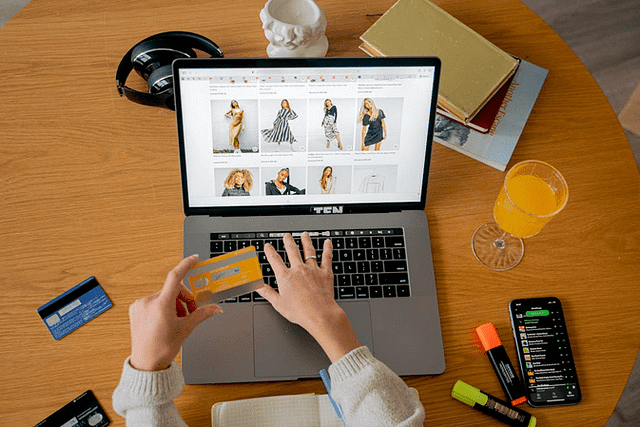
Virtual try-on technology has reshaped how consumers shop. The interactive nature of these tools encourages exploration and experimentation with products users might not otherwise consider. Shoppers are more likely to try new styles, colors, or brands because the risk of making an unsatisfactory purchase is reduced. This behavior can lead to increased engagement, higher conversion rates, and greater brand loyalty. By offering immersive experiences that simulate in-store interactions, virtual try-on systems influence decision-making processes and create a sense of personalization in online shopping.
Reducing Returns and Enhancing Retail Efficiency
Another important impact of virtual try-on technology is its potential to reduce product returns, which are costly for e-commerce businesses. Returns often result from poor fit, unexpected appearance, or misjudged colors. By providing accurate previews, virtual try-on tools minimize mismatches between expectations and reality. This reduction in returns benefits retailers by lowering shipping and restocking costs while improving operational efficiency. Consumers also benefit from a smoother shopping experience with fewer complications, reinforcing trust and satisfaction with online retailers that offer these services.
Driving Innovation and Personalized Experiences

Virtual try-on technology encourages brands to innovate and offer more personalized shopping experiences. AI algorithms can analyze user preferences, body shapes, and previous purchase history to recommend products suited to individual needs. Retailers can also integrate virtual try-on with social media platforms, allowing users to share their experiences and receive feedback. This level of personalization strengthens the connection between consumers and brands, transforming online shopping from a transactional activity into an engaging and interactive experience. As technology continues to evolve, virtual try-on is likely to become a standard feature that defines modern e-commerce.
Virtual try-on technology is reshaping online shopping habits by enhancing consumer confidence, influencing decision-making, reducing returns, and supporting personalized experiences. By bridging the gap between physical and digital retail, this technology enables consumers to interact with products in immersive, informative ways. Retailers benefit from improved efficiency, higher engagement, and strengthened customer loyalty, while shoppers gain greater convenience and satisfaction. As virtual try-on tools continue to advance, they are expected to play an increasingly central role in the evolution of e-commerce, shaping how consumers discover, evaluate, and purchase products online.…